Seat 14, Every Friday: The Deep Psychology of a Diner's Chosen Place
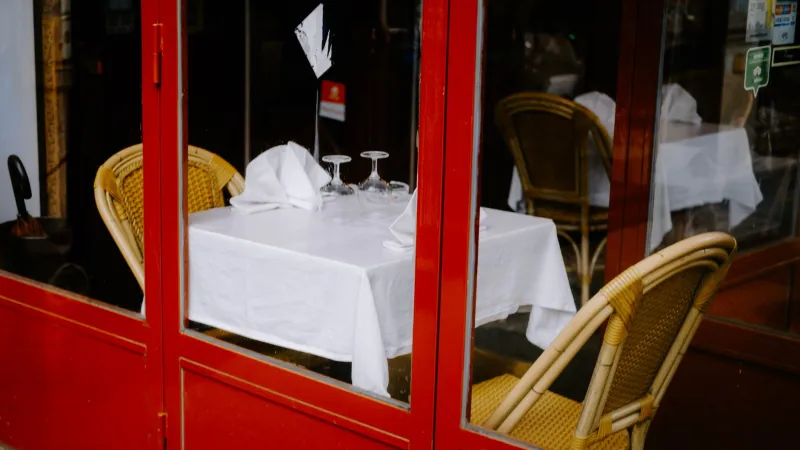
There is a corner table near the west window at Ellison Bistro that, on most Friday evenings, belongs to a retired schoolteacher named Margaret. She has occupied that particular seat for the better part of eleven years. She does not request it in the way one requests extra bread or a specific wine. She simply arrives, and the table is there — set, waiting, quietly hers.
Margaret is not unusual. She is, in fact, representative of a phenomenon that bistro professionals across the country have long observed but rarely articulated: the profound, almost architectural attachment that loyal diners develop to a specific seat. It is one of the more quietly fascinating rituals in American dining culture, and it reveals far more about human nature than any menu choice or wine selection ever could.
More Than a Preference
At its surface, the habit of claiming a regular table might appear to be mere creature comfort — the same impulse that leads people to sit in the same pew at church or occupy the same barstool at their neighborhood pub. But behavioral psychologists who study environmental attachment suggest the dynamic runs considerably deeper.
When a person returns repeatedly to the same physical space, that space begins to absorb a kind of personal history. Conversations held there, milestones marked there, ordinary Tuesday evenings that somehow became memorable — all of it accumulates in the walls, in the particular angle of the light, in the way the ambient noise of a room sounds from that specific vantage point. The table stops being furniture. It becomes a container for memory.
"There's a concept in environmental psychology called 'place attachment,'" explains one dining researcher familiar with the phenomenon. "It describes the emotional bond between a person and a meaningful location. Bistros are unusually fertile ground for it because they combine sensory richness with social ritual. When you return to the same seat over years, you're essentially layering your personal narrative onto a physical place."
For Margaret, the corner table near the window is where she and her late husband celebrated their fortieth anniversary. It is where she brought her daughter after college graduation. It is where she sat alone, for the first time, six months after his passing — and where, she says, she first understood that she could still find comfort in the world.
"I don't think about any of that consciously when I walk in," she says. "I just feel settled there. Like nothing bad can quite reach me at that table."
The Choreography of Recognition
For bistro staff, honoring a regular guest's preferred seat is both an art form and a quiet expression of institutional care. It requires memory, coordination, and a certain sensitivity to the unspoken language of loyalty.
At Ellison Bistro, the host team maintains what might generously be called an informal geography of belonging — a working knowledge of which guests gravitate toward which seats, and on which evenings. No spreadsheet fully captures it. Much of it lives in the accumulated awareness of a seasoned host who has watched the same faces return, season after season, and learned to read the particular relief that crosses a guest's expression when their preferred corner is ready and waiting.
"When a regular walks in and sees their table open, there's this almost imperceptible exhale," observes one longtime member of the front-of-house team. "You can see it. Their shoulders drop just slightly. They smile in a way they weren't smiling a moment before. That's not about the chair. That's about feeling known."
The act of being known — genuinely, specifically known — is not a small thing in contemporary American life. In a culture that increasingly mediates human connection through screens and algorithms, the bistro remains one of the few environments where recognition is personal, immediate, and warmly physical. A host who recalls not just your name but your table, your usual order, the anniversary you mentioned three visits ago — that host is performing something closer to friendship than service.
When the Table Holds the Story
Not every regular's attachment is rooted in sentiment. For some, the preferred seat is a practical anchor — a spot that satisfies specific sensory requirements or professional habits. A novelist who comes in every Wednesday afternoon invariably selects a two-top near the back wall, where ambient noise softens to a productive hum and the sight lines allow for unobtrusive people-watching. A surgeon who dines every Sunday morning after hospital rounds gravitates toward a particular booth because the high back panels provide a sense of enclosure that, after hours of high-stakes precision, feels like permission to finally decompress.
"My table is where I stop being a doctor for an hour," he says simply.
These stories, taken together, illuminate something important about what a bistro actually provides. Food is, of course, the central offering. But the table — the specific, particular, personally claimed table — is often the vessel through which the full meaning of a dining experience is delivered. It is the stage upon which the self is briefly, gratefully set down.
What It Means for the Restaurant
From an institutional perspective, the culture of regular guests with regular seats is among the most reliable indicators of a bistro's health. It signals not merely that people enjoy the food, but that they trust the environment — that they have decided, on some level, to make the restaurant part of the architecture of their lives.
This is a responsibility that Ellison Bistro takes seriously. When a guest has honored a table with years of return visits, the relationship between guest and restaurant has become genuinely reciprocal. The bistro owes that guest a consistency of experience that honors what they have invested — emotionally, financially, habitually — in showing up.
That consistency is never accidental. It is the product of staff who pay attention, managers who cultivate institutional memory, and a kitchen that understands the difference between feeding a customer and nourishing a community.
The Table as Autobiography
Margaret finishes her dinner on a recent Friday evening — the roasted half chicken, as usual, with a glass of the Burgundy she discovered here four years ago. The room has filled around her, and the particular quality of noise that she has come to associate with this corner — warm, slightly muffled, safe — rises and settles like a tide she knows well.
Before she leaves, she pauses for a moment in the way that people do when they are reluctant to return to the world outside a place they love.
"I suppose other people could sit here," she says, with a small smile that suggests she has considered the idea and found it faintly absurd. "But I don't think they'd know what they were sitting in the middle of."
She is right, of course. The chair is wood and fabric and craftsmanship. But the table, by now, is entirely hers — assembled from eleven years of Friday evenings, from grief and celebration and ordinary grace, from the quiet miracle of being expected somewhere and finding, when you arrive, that the place has been holding your seat all along.